When you’re looking at privacy screens for your caravan awning, there are several main styles and use-cases to consider. Below, we list out all the variations, why you might choose them and how to measure, care and store for caravan privacy screens.
There are many variations when it comes to privacy screens for your caravan
Types of privacy screens
1. End-Wall Privacy Screens
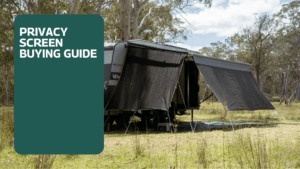
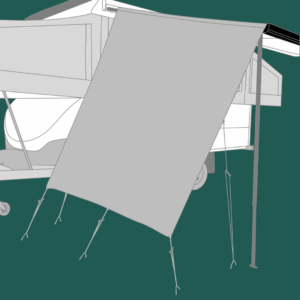
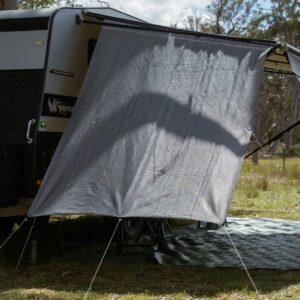
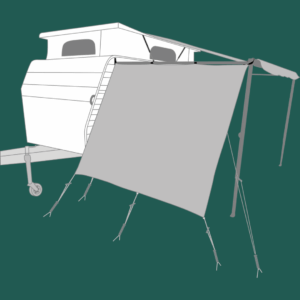
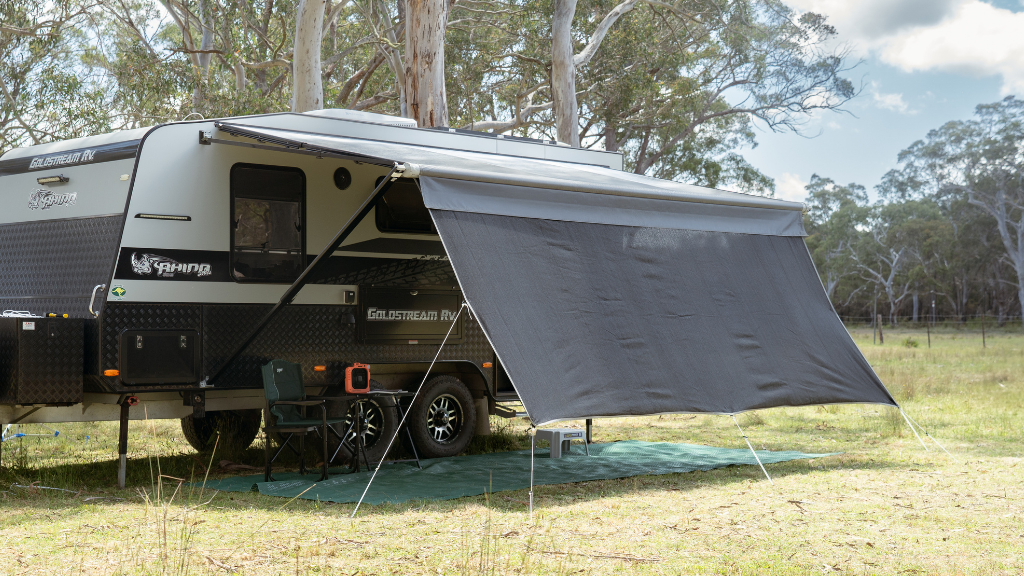
These attach to the “end” of the awning, creating a wall of privacy and weather protection. The Supex end walls have 199gsm fabric, 95% shadecloth, pegs/ropes, and D-rings.
Why buy it?
To create a sheltered wall under your awning, blocking wind, rain or sun from one side.
To increase usable space outside the caravan by forming a “room” under the awning.
To provide more seclusion in a crowded camp site.
To improve shade and comfort under the awning.
End wall privacy screens are available in grey, black and bonus drop size
2. Long-Wall (or Side-Wall) Privacy Screens
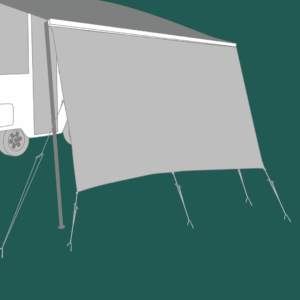
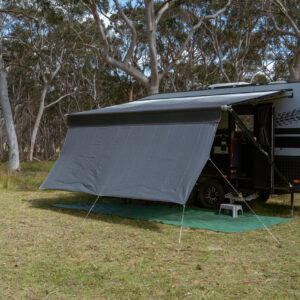
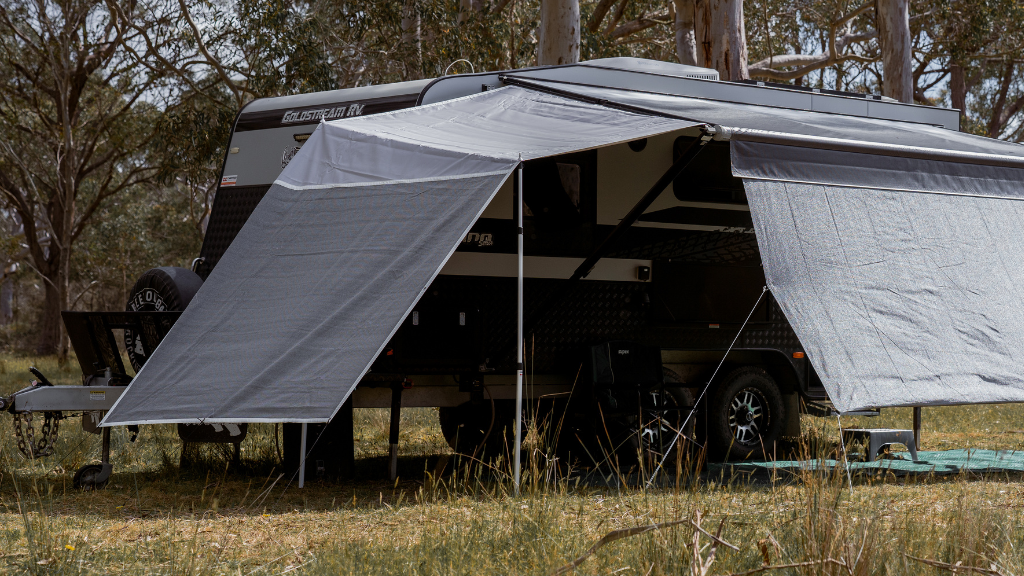
These run along the long side of the awning (parallel to the caravan) and provide extended coverage.
Why buy it?
If you want the awning side fully enclosed on one or both long sides for enhanced privacy or weather protection.
Good when you camp for longer stays and want an extended “annexe-style” space.
Useful when the sun or wind comes from the long side rather than the end.
Long-walls screens are perfect for front on privacy and shade
3. Bonus-Drop
Bonus-drop screens drop further to the ground for more enclosure. These are designed for off-road caravans which tend to be higher off the ground.
Why buy it?
You have an off-road caravan and want maximum weather protection (wind/sand/rain) and more fully-enclosed space.
4. Porch Extension Screens
Porch extension kits attach to the end of your awning. Velcro and Keder splines run along the top to help you easily attach this privacy screen to awning arms, and extend your setup by 1.55m, with a drop of 1.8m, in no time.
Why buy it?
If you want to provide shelter for your pull out BBQ / kitchen areas
If you want to use the awning space more like a living room or storage area rather than just shade.
When you stay at one site for long and want something closer to an annexe rather than just a screen.
The porch extension is a value-add kit, especially if you want a more permanent set up
Other variation considerations
Colour: Most styles come in a light grey or black colourway. There is no difference in the material type, but choose colour to suit your van style.
Awning Style:
Pop Top Caravans
Box (Fiamma) style awnings:
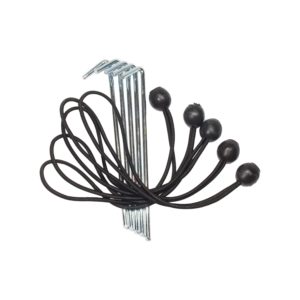
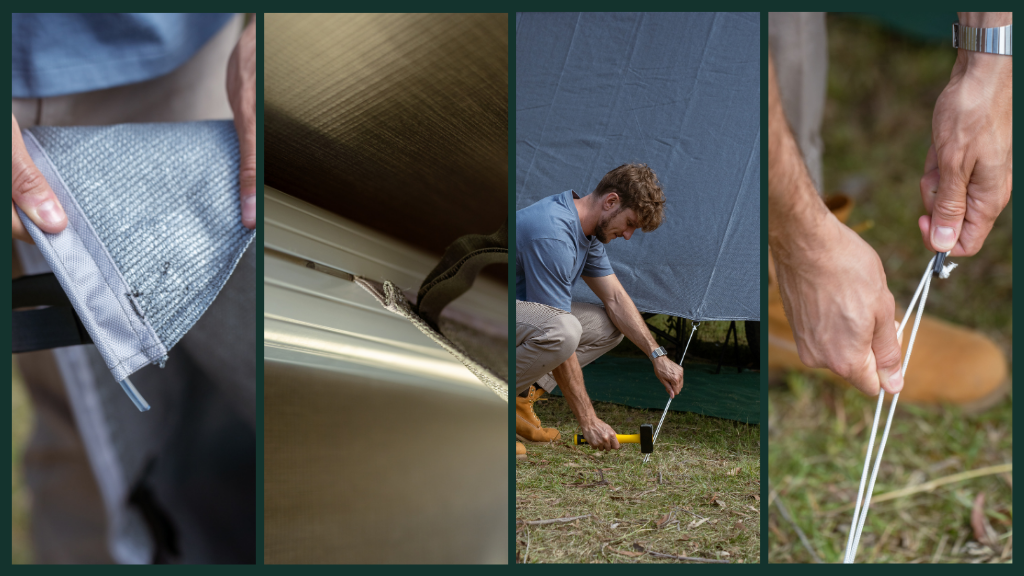
Included fixings: Screens come with guy ropes, pegs, D-rings, Velcro tabs or Velcro straps for attachment.
Warranty: We offer a 4 year warranty on some models
When you might choose each type
If you’re often on quick trips and only need shade or a bit of privacy: an end-wall screen is quick and simple.
If you stay longer or camp in more exposed sites (wind/sun) and want a “room” feel: then a long-wall screen (or both sides) is better.
If you want full enclosure or near-annexe style for family use, storage, living space: go for bonus-drop or porch extension screens.
If your awning arms are low (pop-top), then select a screen specifically designed for that style of van.
If you have a box-style or cassette (for example, Fiamma), then buy a screen designed specifically for that awning
A measuring guide for finding the right fit
Selecting the correct size and mount style is crucial to ensure your privacy screen fits properly and functions well.
Step-by-step measuring guide
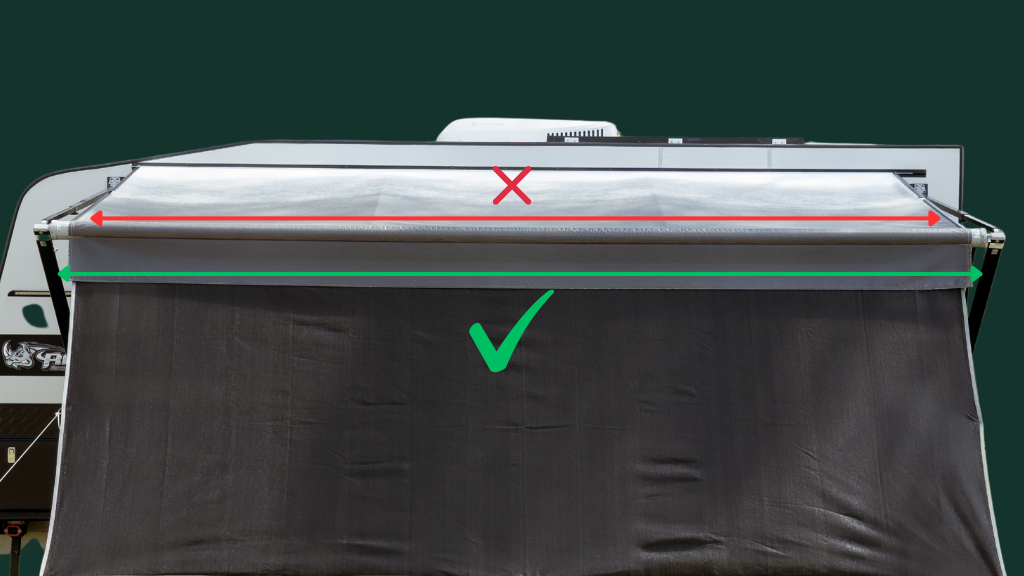
Measure the awning width: This is the length from one arm to the other arm. It is not the length between the end of fabric to fabric. Ensure you are measuring awning arm to arm to get the correct measurement. The size you need for your privacy screen will be 1 foot (30.48cm) shorter than the measurement from awning arm to awning arm.
Measure the drop from awning rail to ground (or desired ground level): Some awnings attach high, some low; pop-tops mount lower.
Check clearance / attachment points: Ensure you know how the screen will attach (Velcro tabs, keder, D-rings) and whether you will need to factor in awning length plus possible extension or overlap.
Choose size slightly larger if uncertain: If you’re between sizes, it’s often better to pick a slightly wider screen rather than one that’s too tight, a snug fit ensures good protection.
Storage and care guide for privacy screens
To maximise longevity of your screen and keep it looking good, proper storage and care are important.
Before storage
Clean off dirt, sand, salt residue: Rinse fabric with fresh water if you’ve been at a coastal site (salt can degrade fabric).
Dry thoroughly: Ensure the screen is completely dry before packing to avoid mould or mildew growth.
Remove pegs/ropes and check for damage: Inspect seams, D-rings, Velcro tabs for wear or damage.
Fold or roll neatly: Follow manufacturer instructions. Avoid tight, sharp folds which can weaken the fabric over time.
Storage
Store in a cool, dry place: Avoid prolonged exposure to direct sunlight while stored (fabric UV degradation).
Use the original carry bag/case if supplied: Helps protect from dust, pests, and accidental damage.
Avoid placing heavy items on top of the packed screen: This can crush fabric and cause creases or damage.
Keep off the ground/floor if damp: If stored in a garage or shed, place on a shelf or pallet to keep away from damp concrete.
Use moisture-absorber packs if the storage area is humid: This helps prevent mildew.
Care during use
Avoid flapping fabric: In high wind, ensure the screen is tensioned and secured; fabric flapping shortens life.
Clean regularly: Use mild soap and water if the fabric gets dirty. Avoid harsh detergents or bleach.
Inspect each season: Check seams, stitching, edging for wear.
Repair promptly: Small tears or fraying should be addressed early to prevent larger damage.
Take down in severe weather: If you get heavy storms or strong winds, consider detaching the screen to avoid damage.
Maintenance tips
Store in its own bag to avoid contact with oily or sharp items (e.g., tools, camping gear).
If stored for long periods, periodically unfold the screen and shake out dust/pests.
Lubricate zips (if any) and check fixings like Velcro or D-rings
If you camp near salt water, rinse the screen after each trip to remove salt.
Avoid dragging the screen over sharp surfaces when setting up/packing.
Label the bag with the awning size it fits – helps avoid confusion when you have multiple setups.
Ready to get started? Check out the full range here